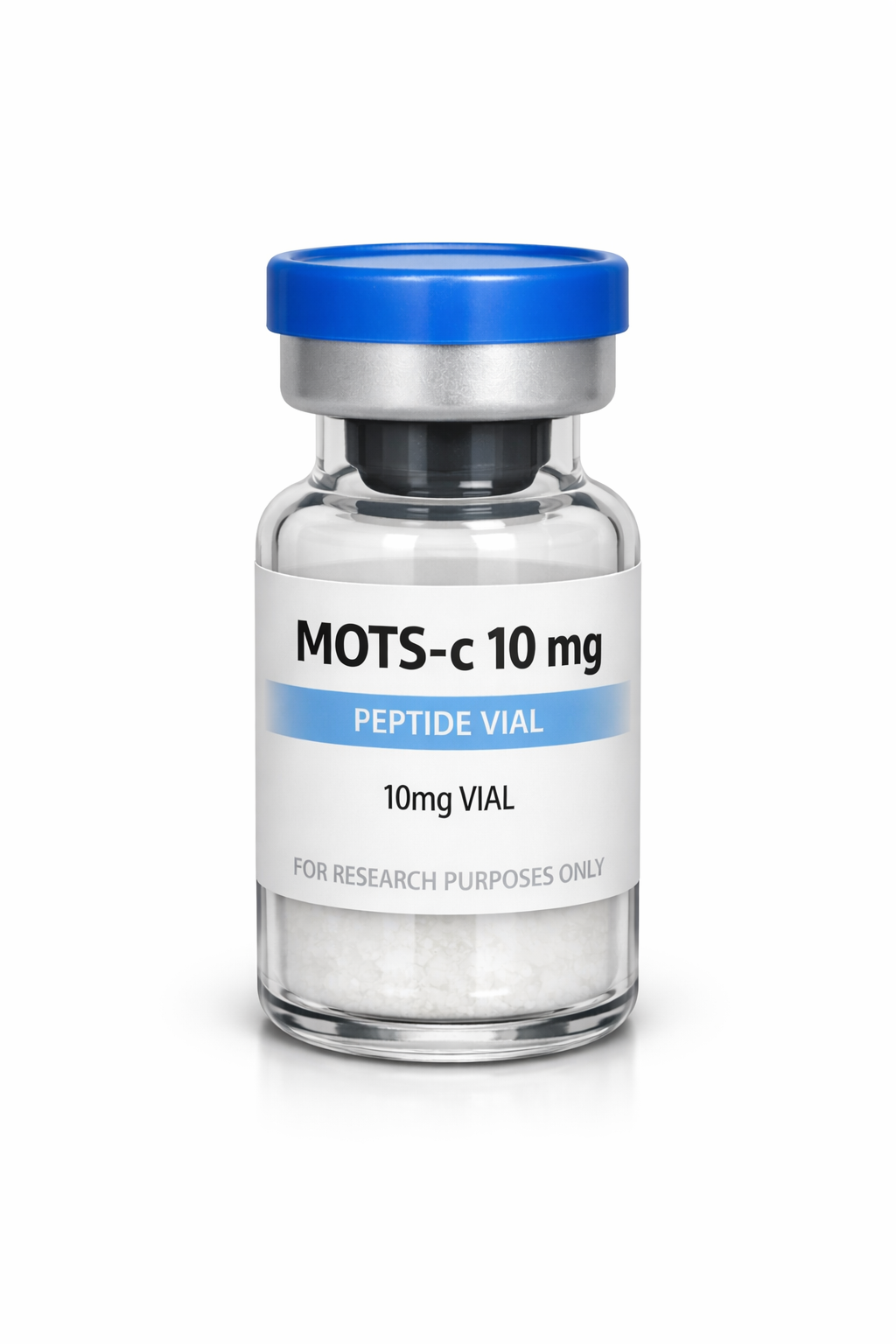
 Image 1 of 1


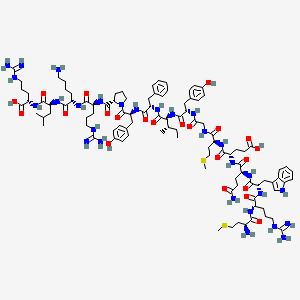
MOTS-c
MOTS-c is a short peptide, encoded within the mitochondrial genome. It is known as a Mitochondrial Derived Peptide (MDP). MDPs are discussed in the literature in the context of mitochondrial signaling, and inter-organelle communication within experimental systems.
Products will arrive in a lyophilized (powder) form for maximum stability
This product is intended as a research chemical only. This designation allows the use of research chemicals strictly for in vitro (out of the body) testing, and laboratory experimentation only. Any introduction into human or animal bodies is strictly forbidden by law. This product is not a drug, and may not be misbranded, mishandled, or misused as a drug.
Research
Mitochondrial signaling-associated molecular components
Mechanistic discussions in preclinical publications describe MOTS-c in relation to intracellular signaling pathways associated with energy-sensing and stress-responsive molecular frameworks, including components of the AMPK signaling framework. [1]
Nuclear translocation phenomena under experimental conditions
References describe experimental observations of MOTS-c localization to the nucleus under defined laboratory conditions, alongside reported associations with transcriptional regulation of nuclear-encoded genes. These descriptions are limited to molecular and biochemical observations within experimental systems. [2]
All pathway-related descriptions are restricted to non-clinical research contexts and do not imply functional outcomes.